With President Trump back in office, outside of China sourcing is set to accelerate rapidly. Known for his protectionist stance, Trump has announced plans to impose a baseline tariff of 10% on all imports, and up to 60% on goods imported specifically from China. This strong return to tariffs aims to revive domestic production, safeguard U.S. industry, and push companies toward diversifying their supply chains.
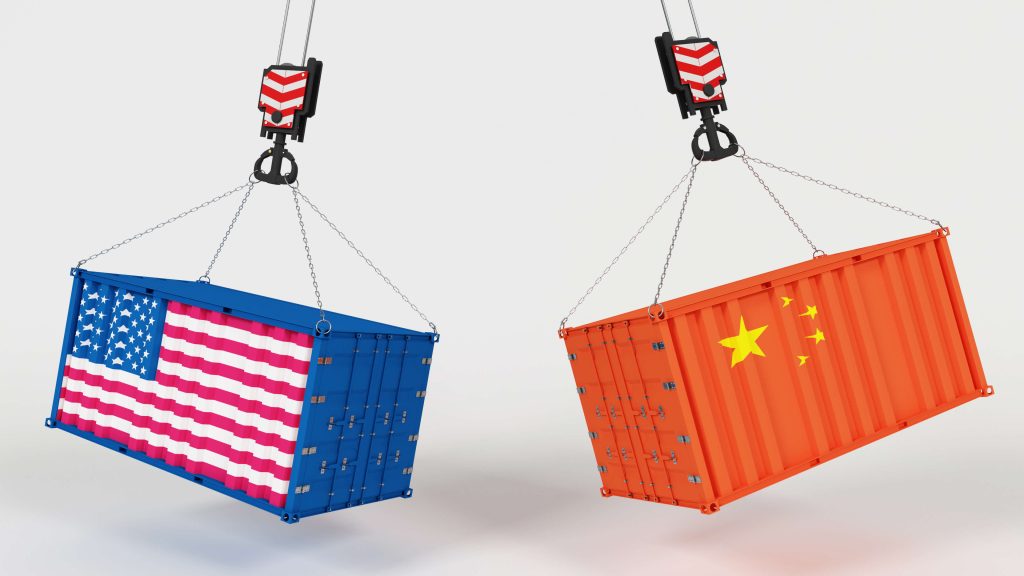
The New Tariff Landscape and Its Impact on Sourcing
This intensified tariff strategy is prompting companies to rethink their sourcing and manufacturing strategies. By shifting production outside of China, they aim to avoid higher tariff costs, while building resilience in their supply chains. For many firms, Southeast Asia (SEA) has emerged as a promising destination for alternative sourcing. Vietnam, Thailand, and Indonesia, in particular, offer robust infrastructure, competitive labor costs, and favorable trade agreements with the U.S.
Southeast Asia’s Growing Role in Global Supply Chains
Trump’s policies are reshaping the global trade landscape, and SEA is positioned to be one of the biggest beneficiaries. Southeast Asian countries attract foreign manufacturers by investing in infrastructure and offering incentives for foreign investments. Their proximity to China, cultural adaptability, and strong workforces make SEA appealing for businesses exploring outside of China sourcing.
Why Companies Are Choosing SEA
- Cost Savings: SEA countries offer lower labor costs than China, helping companies manage and reduce production expenses under new tariffs. This cost advantage allows firms to maintain competitive pricing and improve profit margins while shifting production outside of China.
- Trade Benefits: Vietnam’s trade agreements with the U.S. reduce import taxes, making sourcing from the region more attractive.
- Resilience and Diversification: Diversifying into SEA reduces companies’ reliance on Chinese production and enhances their readiness for future trade disruptions.
The Future of Outside of China Sourcing
Trump’s return to protectionist trade policies signals a strong shift in U.S. strategy that could redefine global supply chains for years to come. The increase in tariffs on Chinese goods incentivizes companies to move their production bases to SEA and other regions, which could catalyze an economic boom in Southeast Asia. With the right approach, firms can successfully navigate this rapidly evolving trade landscape by proactively exploring outside of China sourcing options, particularly in SEA. By doing so, they can effectively minimize tariff-related costs while also securing long-term supply chain stability.
To know more or further support, please find us HERE
Thank you.