Vietnam has become a key destination for global businesses looking to source products due to its competitive pricing and growing manufacturing capabilities. However, finding the right vendor for your specific business needs can be challenging. Whether you are an Amazon seller, a retailer, or a US importer, selecting the right partner is crucial to optimizing costs and ensuring product quality. This guide will help you understand how to identify and work with suitable vendors in Vietnam.

1. Vendor Sourcing in Vietnam for Amazon Sellers
If you are an Amazon seller, choosing a vendor who understands the Amazon marketplace is essential. These vendors know how to produce items that meet Amazon’s quality requirements while balancing costs. Often, Amazon sellers do not require the highest quality products—since customers cannot physically touch the items, the focus is on providing decent quality at a competitive price.
Key Considerations:
- Amazon Compliance: Ensure the vendor understands and complies with Amazon’s packaging, labeling, and product quality standards.
- Cost vs. Quality Balance: Work with suppliers who can deliver products with “just good enough” quality to keep costs low.
- Experience with Amazon Logistics: Choose vendors familiar with Amazon FBA (Fulfilled by Amazon) processes for smooth order fulfillment.
2. Finding Vendors for Retailers
For retailers, the ideal vendors are those with a deep understanding of market trends and product categories. Vendors who regularly work with retailers can provide insights into consumer preferences and offer a more comprehensive product range.
Key Considerations:
- Market Knowledge: Select vendors who understand retail trends and can offer competitive and trending products.
- Flexible MOQ: Retailers often require flexible minimum order quantities (MOQ) to manage inventory.
- Product Range: Look for vendors who offer diverse product categories to cover different customer demands.
3. Sourcing for US Importers and Trading Companies
US importers and trading companies prioritize pricing and logistics efficiency. They need vendors capable of delivering bulk orders at the lowest possible cost while maintaining acceptable quality standards.
Key Considerations:
- Best Pricing: Prioritize vendors who can offer competitive bulk pricing.
- Production Capacity: Ensure the factory can handle large-scale orders without delays.
- Export Experience: Work with vendors who have experience in handling US regulations and export documentation.
4. How to Select the Right Vendor in Vietnam
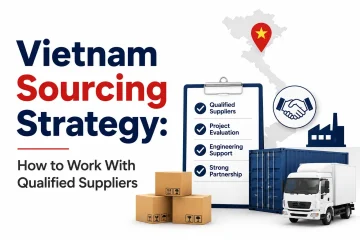
When sourcing vendors in Vietnam, it’s important to have a clear process to evaluate and select the best partners. Here are some steps to follow:
Step 1: Identify Your Needs Define your product requirements, quality standards, and budget. Be clear whether you prioritize quality, price, or lead time.
Step 2: Conduct Supplier Research Use sourcing platforms, local sourcing agents, and trade shows to find qualified vendors. Verify their experience and client portfolio.
Step 3: Evaluate Samples Request samples to assess product quality and packaging. Ensure they meet your specific business standards.
Step 4: Negotiate Terms Clarify pricing, payment terms, lead times, and quality control processes before finalizing a contract.
Step 5: Monitor Performance Regularly review vendor performance to ensure consistent quality and timely delivery.
Conclusion
Vendor sourcing in Vietnam requires a tailored approach depending on your business model. Amazon sellers need vendors who understand e-commerce requirements and cost-effective production. Retailers should prioritize vendors with market knowledge and diverse product offerings. US importers and trading companies must focus on vendors who provide the best pricing and large-scale capacity. By following a structured sourcing process, you can find reliable vendors, reduce costs, and ensure product quality for your business in Vietnam.
To know more or further support, please find us HERE