Vietnam has emerged as a leading destination for businesses looking to develop and manufacture products. With its skilled workforce, competitive costs, and improving infrastructure, it’s no surprise that companies are shifting production here. However, protecting your product idea is essential to maintain your competitive edge and prevent unauthorized replication. This guide outlines key steps to safeguard your intellectual property when manufacturing in Vietnam.
1. Patent Protection
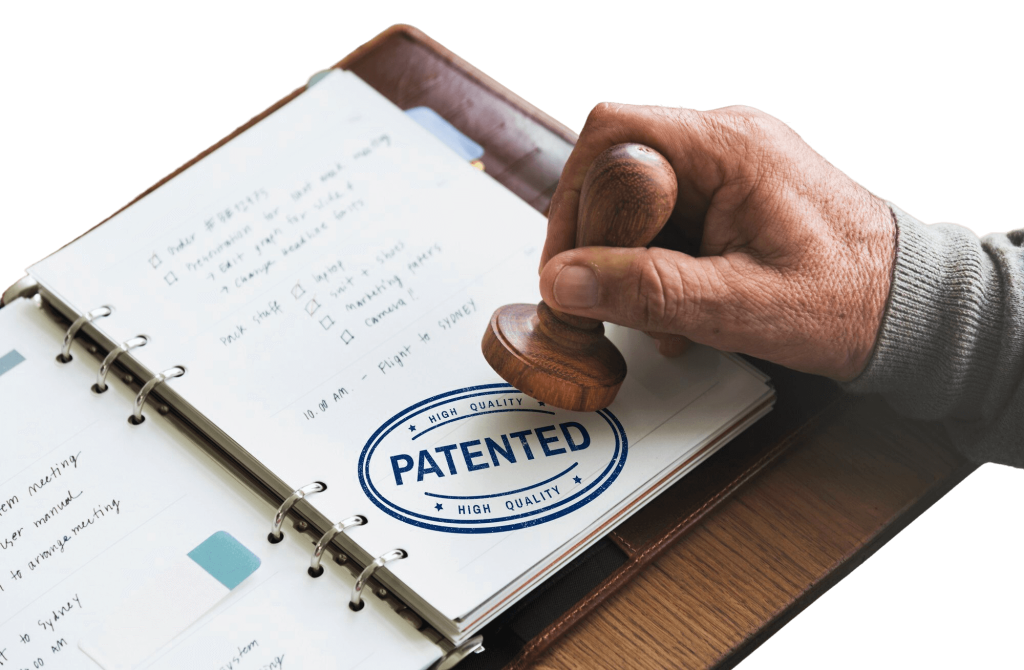
Applying for a patent is a critical step to protect your product idea—especially when manufacturing in Vietnam or other countries. A patent grants you the exclusive legal right to make, use, and sell your invention, preventing others from copying it. If you plan to develop a product in Vietnam, securing a patent in both your home country and Vietnam strengthens your intellectual property protection.
- File a patent in both your home country and Vietnam for comprehensive protection.
- Consult a legal expert specializing in international patent law.
- Ensure your patent covers both design and functionality aspects of your product.
It is advisable to work with a legal expert who specializes in international patent law to ensure comprehensive coverage. This step not only safeguards your idea but also adds value to your product and business in the long term.
2. You Should Own the Mold
Investing in your own mold and engraving your logo on it is a smart strategy to prevent unauthorized replication. By owning the mold, you maintain control over its use and can prevent the factory from reusing it for other clients.
- Always pay for and own the mold to retain full control.
- Engrave your logo or a unique identifier on the mold.
- Include mold ownership and return conditions in your manufacturing contract.
Ensure your contract clearly states that the mold is your property and must be returned if production ends. This proactive measure protects your intellectual property and limits the risk of counterfeit products entering the market.
3. Work with Trusted Suppliers
Working with trusted suppliers is essential for protecting your product idea and ensuring smooth manufacturing. Take time to vet potential manufacturing partners by checking their certifications, client references, and track record.
- Verify the supplier’s certifications and client references.
- Conduct regular audits and inspections.
- Use a local sourcing agent for better oversight and communication.
Building a strong relationship with your supplier fosters trust and transparency. Consider working with a local sourcing agent in Vietnam who can conduct on-the-ground inspections and help you identify reputable manufacturers.
4. Ensure NDA/NNN Agreements Are Signed
When working with Vietnamese manufacturers, having both a Non-Disclosure Agreement (NDA) and a Non-Disclosure, Non-Use, and Non-Circumvention Agreement (NNN) is crucial. These legal documents prevent factories from sharing, using, or bypassing your product idea.
- Ensure both NDA and NNN agreements are signed before sharing details.
- Specify confidentiality terms and penalties for violations.
- Clarify the jurisdiction for resolving legal disputes.
Clearly outline the confidentiality terms, penalties for violations, and the jurisdiction where disputes will be settled. Enforcing these agreements in Vietnam strengthens your ability to protect your intellectual property and maintain a competitive advantage.
5. Vietnam Is a Safer Choice for Protecting Your Product
Compared to other manufacturing hubs like China, Vietnam is becoming a safer choice for protecting your product idea. While China is known for rapid product replication due to its advanced supply chain, Vietnam offers a more controlled and secure manufacturing environment.
- Vietnam offers a lower risk of product replication compared to China.
- Factories in Vietnam are increasingly adhering to intellectual property laws.
- Combining legal agreements with trusted suppliers ensures better protection.
Many businesses choose Vietnam to reduce the risk of intellectual property theft while benefiting from competitive costs and skilled labor. By taking the right precautions—patents, mold ownership, trusted suppliers, and legal agreements—you can confidently develop your product in Vietnam while safeguarding your innovative ideas.
Conclusion
If you’re looking to develop a product in Vietnam, prioritizing intellectual property protection is essential. From securing patents to partnering with reliable manufacturers, every step you take strengthens your product’s security. With Vietnam’s growing reputation as a manufacturing powerhouse, it remains an attractive and safer alternative to other regions when combined with robust protection strategies.
To know more or further support, please find us HERE