How Vietnam Supports Sustainable Development
Sustainable development is no longer a choice — it’s a global responsibility. Vietnam, as a fast-growing economy in Southeast Asia, is making notable strides in building a greener future. From eco-friendly manufacturing to responsible sourcing, Vietnam’s progress offers valuable insights and opportunities for businesses worldwide.
Eco-Friendly Alternatives in Wood Finishing
One standout example of sustainable development in Vietnam is the use of wood oil (tung oil) instead of traditional PU (polyurethane) oil. Tung oil is a natural, non-toxic option derived from the seeds of the tung tree. It’s biodegradable, food-safe, and emits no harmful VOCs (volatile organic compounds).
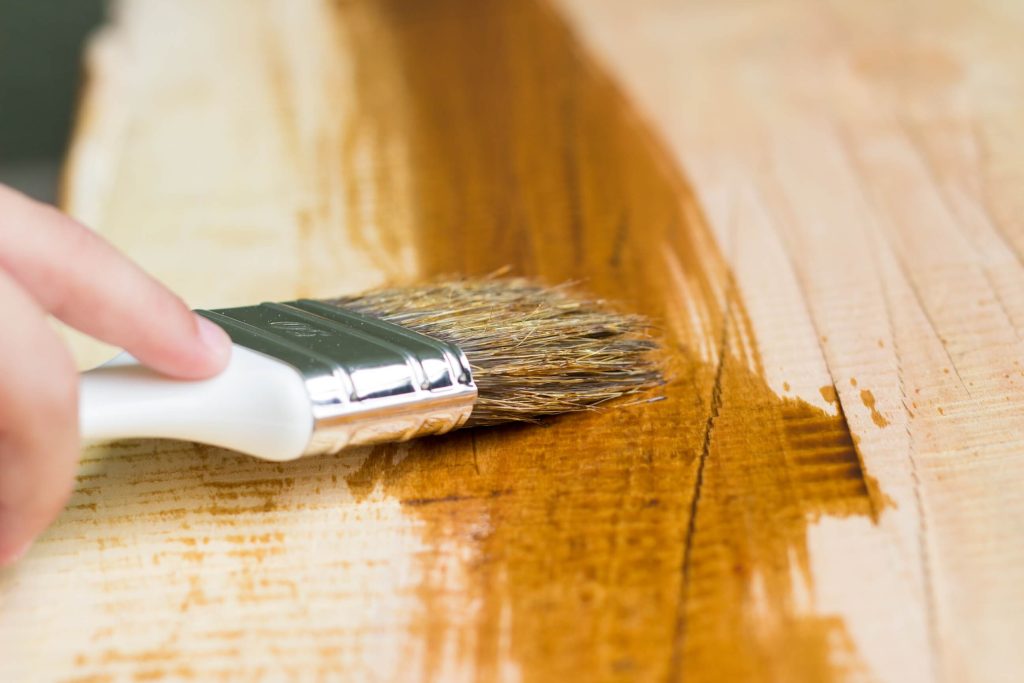
Factories in Vietnam are now using tung oil for:
- Kitchenware and cutting boards
- Indoor furniture and cabinetry
- Wood flooring and paneling
This switch not only enhances product safety but also aligns with global environmental standards. Choosing tung oil over PU contributes to better indoor air quality and supports eco-conscious consumer trends.
Turning Waste into Value: Pineapple Leaf Fiber Innovation
Another exciting initiative supporting sustainable development in Vietnam is the creation of bio-based textiles from pineapple leaf fiber (PALF). In collaboration with local vendors, we are developing non-woven materials that replicate leather and fabric textures — entirely from discarded pineapple leaves.
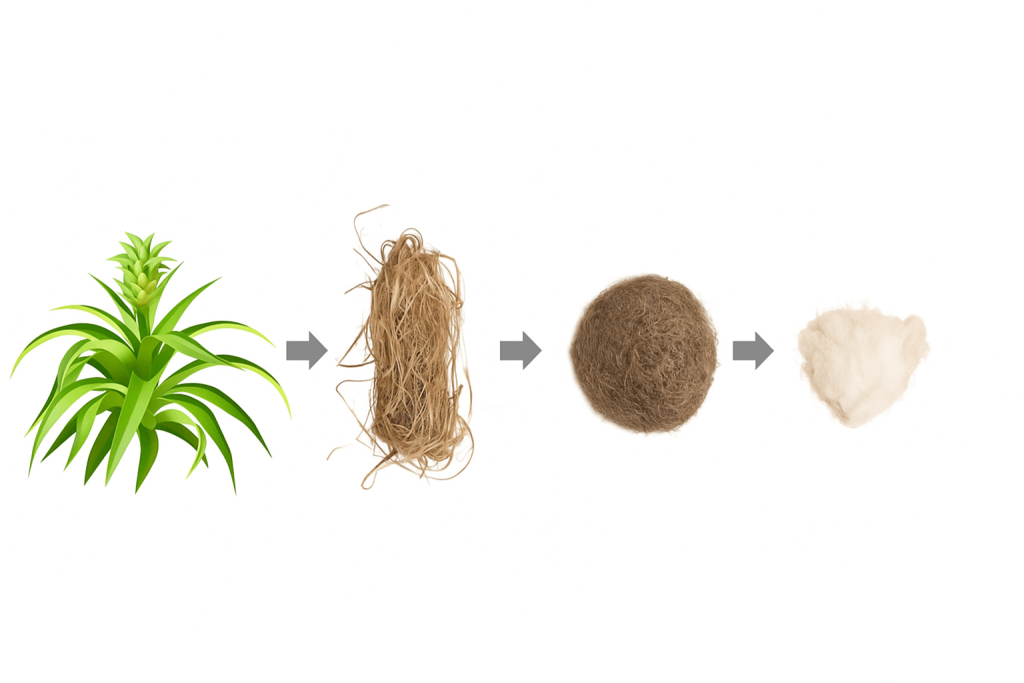
Our current offerings include:
- Greige PALF fabric
- Bleached canvas made from PALF
- Experimental bio-leather and PALF yarn blends
While our materials are not yet waterproof, we are improving their quality every day. Our focus is on enhancing texture, durability, and finish to meet international quality expectations. This innovation diverts agricultural waste from landfills and transforms it into high-value, sustainable material — a perfect example of circular design in action.
Natural Rubber Material – A Sustainable Alternative to Neoprene
In our continuous effort to support sustainable development, we are exploring and applying natural rubber as an eco-friendly substitute for neoprene — a petroleum-based synthetic rubber often used in wetsuits, sports gear, and industrial products.
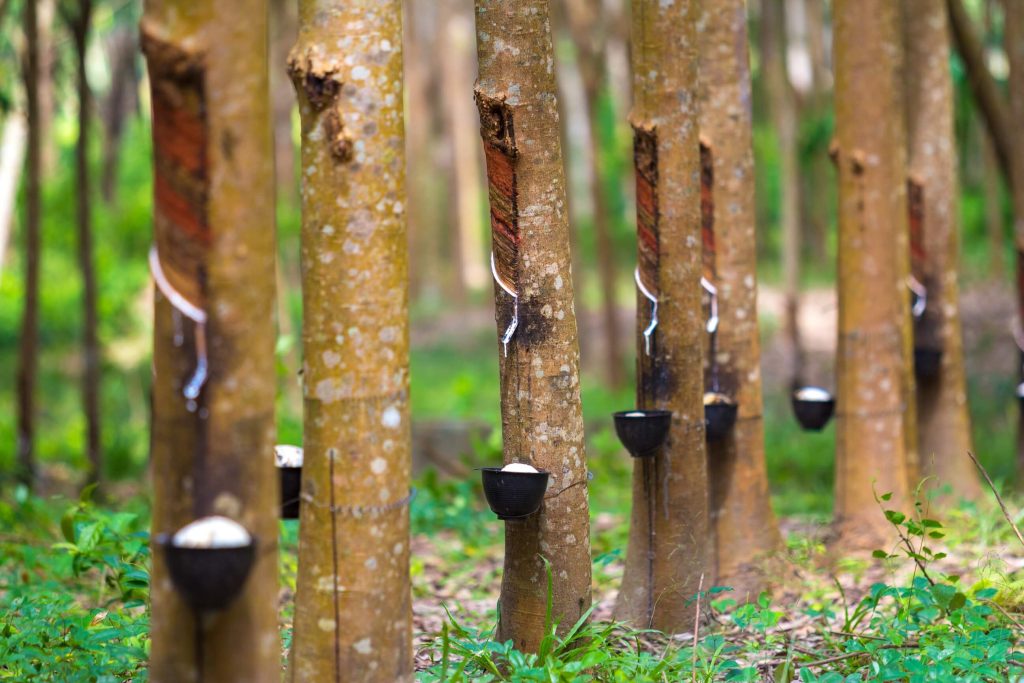
Natural rubber, derived from the sap of rubber trees, offers several environmental and performance advantages:
- It is biodegradable and comes from a renewable source.
- Production emits fewer greenhouse gases compared to neoprene.
- It is naturally flexible, durable, and breathable.
We are currently working with local partners in Vietnam to develop a range of natural rubber materials suitable for:
- Apparel and fashion accessories
- Outdoor and sporting goods
- Industrial padding or protective gear
By promoting rubber from responsibly managed plantations and replacing synthetic options, we take another step toward minimizing environmental impact. This shift aligns strongly with circular economy principles and supports a healthier supply chain.
Although some performance limitations remain compared to high-grade neoprene, we believe innovation and consumer awareness will drive broader adoption of this greener material.
Merino Wool – A Premium Natural Fiber for Sustainable Development
Merino wool is a premium, natural fiber obtained from Merino sheep — renowned worldwide for producing one of the softest and finest wools available. Beyond its luxurious feel, Merino wool is also a smart material choice that supports sustainable development in fashion and textiles.
Why is Merino wool considered sustainable?
- It is 100% natural, biodegradable, and renewable.
- Merino sheep regrow their fleece annually, making it a self-replenishing resource.
- The fiber is breathable, moisture-wicking, and temperature-regulating — reducing the need for synthetic blends.
We are currently sourcing traceable Merino wool and exploring blends with other natural or recycled fibers. This helps us offer eco-luxury options for conscious brands that demand both comfort and responsibility.
As sustainability becomes a top priority in the textile industry, Merino wool stands out as a natural fiber that balances performance, softness, and environmental care.
Organic Lotus Silk Fabric – Vietnam’s Rare Eco-Luxury Offering
Among the most unique contributions to sustainable development in Vietnam is the rare and labor-intensive organic lotus silk fabric. This material is hand-extracted from lotus stems grown in freshwater lakes — without the use of chemicals, dyes, or industrial energy.
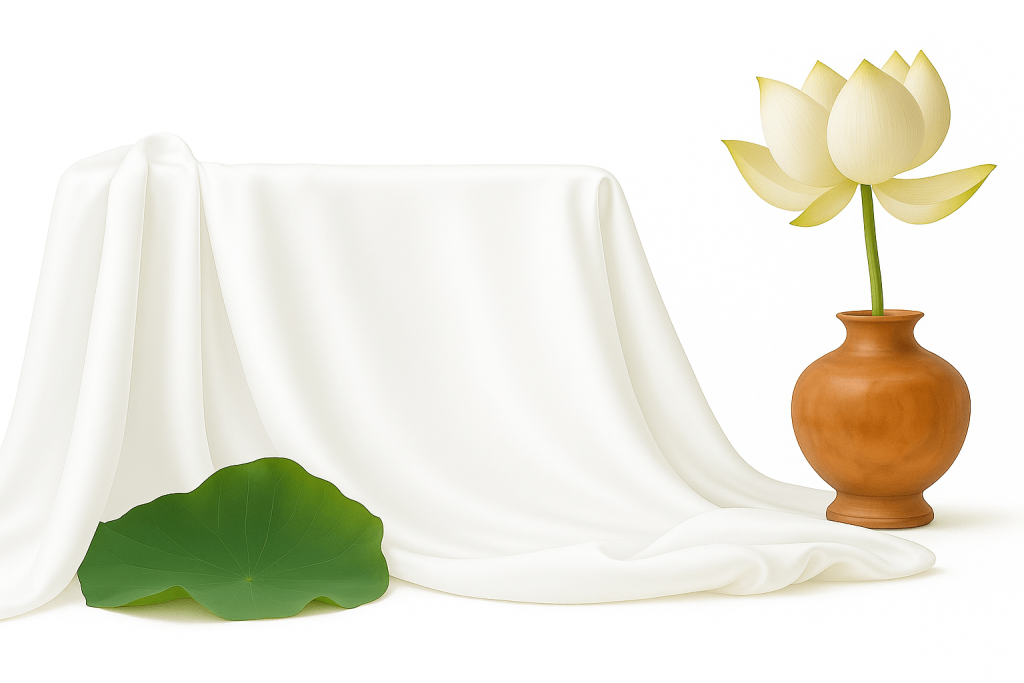
Key sustainability benefits:
- Zero waste: Lotus stems are typically agricultural waste, now upcycled into high-value fabric.
- No chemicals or synthetic treatments involved.
- Biodegradable and breathable, making it ideal for luxury garments.
Produced primarily in regions like Myanmar and Vietnam’s Mekong Delta, lotus silk is considered one of the most ethical and environmentally friendly textiles in the world. Although production is limited due to its manual, artisanal nature, it aligns perfectly with slow fashion values and premium sustainability goals.
We are actively researching sourcing partnerships to scale this rare fabric while preserving the cultural heritage and fair-labor standards behind it.
Ethical Silk (Ahimsa Silk) – A Cruelty-Free Approach to Sustainable Development
As sustainability expands beyond the environment to include animal welfare, ethical silk, also known as Ahimsa silk or Peace silk, is gaining attention for its cruelty-free production process. Unlike traditional silk, Ahimsa silk is harvested without killing the silkworm — allowing the moth to complete its life cycle and emerge naturally from the cocoon.

How does it support sustainable development?
- No harm to living organisms, aligning with ethical sourcing values
- Natural, renewable, and biodegradable fiber
- Suitable for slow fashion and eco-luxury garments
- Reduces the ecological and ethical concerns linked with conventional silk farming
While the production yield is lower and costs are higher, more conscious consumers are choosing Peace silk as an alternative that reflects both sustainability and compassion. We are currently working to identify trusted Ahimsa silk sources in Vietnam and neighboring regions to offer more ethical fabric options to our partners and clients.
Ocean Plastic Becomes Trash Bags – Circular Economy in Action
Addressing plastic pollution is a global priority, and Vietnam is stepping up with innovative solutions. One of the most promising examples is turning ocean plastic waste into durable trash bags — a practical application that supports sustainable development and circular economy goals.
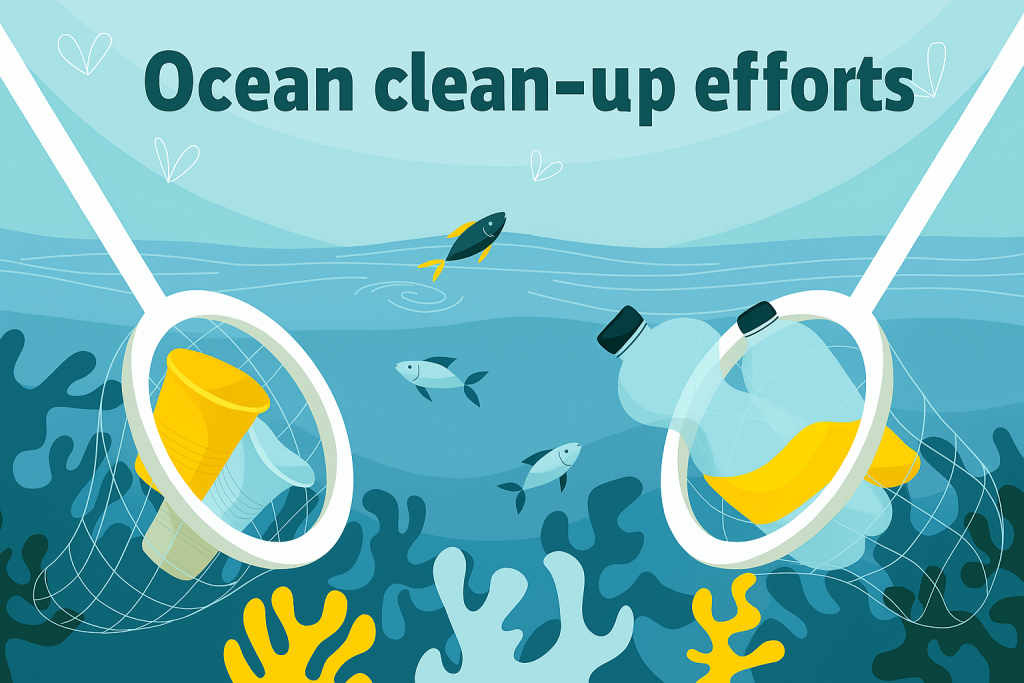
Collected from coastal clean-up efforts and recycling programs, ocean-bound plastics are processed and re-engineered into heavy-duty trash bags suitable for both industrial and household use.
Key environmental benefits include:
- Removes waste from marine ecosystems
- Reduces reliance on virgin plastic
- Promotes recycling infrastructure and local jobs
- Encourages responsible waste management across supply chains
While this solution doesn’t eliminate plastic entirely, it gives waste a second life and reduces the volume of new plastic entering circulation. We are actively working with partners in Vietnam to develop and scale up this initiative — aiming to turn discarded waste into something functional and necessary.
It’s a small product with big impact — and another example of how innovation can drive real change under the banner of sustainable development.
The Sustainable Leather Alternative Made from Shrimp Shells
Vietnam, known for both seafood exports and material innovation, is now exploring a sustainable leather alternative made from shrimp shells — a breakthrough that exemplifies circular design in action.
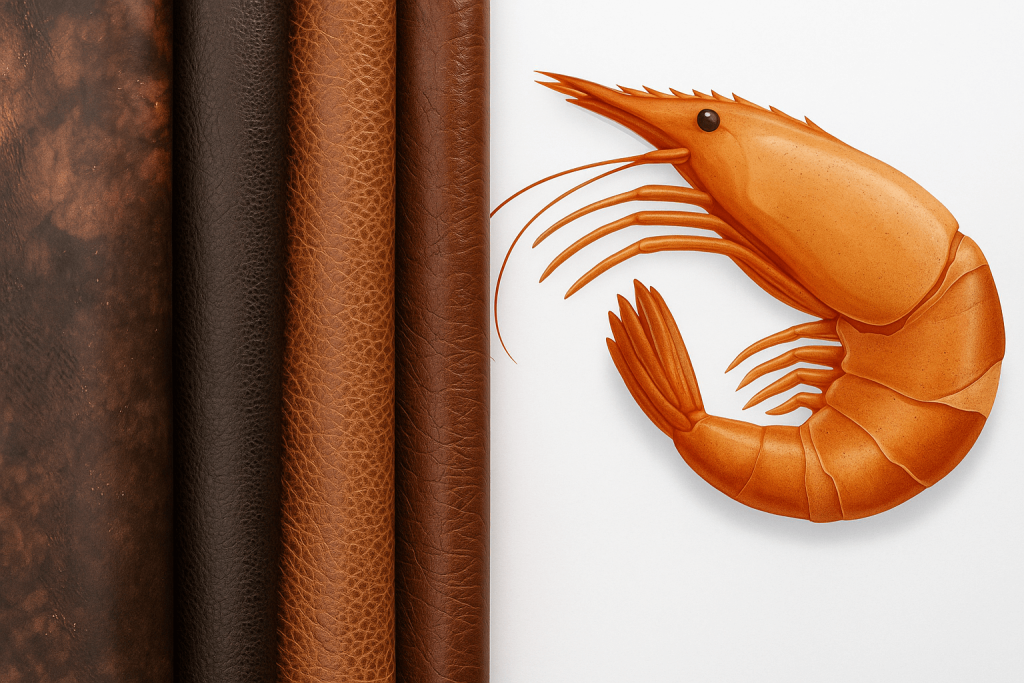
Shrimp shells, which are typically discarded during seafood processing, contain chitin — a natural polymer that can be extracted and used to create flexible, leather-like biomaterials. Combined with plant-based binders or biodegradable polymers, this material can mimic animal leather without the environmental and ethical downsides.
Benefits for sustainable development include:
- Upcycles seafood industry waste
- Reduces reliance on animal-based and synthetic leather
- Biodegradable and potentially compostable
- Supports zero-waste goals and local circular economies
Although this material is still in early development, research labs and startups in Vietnam and Asia are actively refining its texture, durability, and scalability. With further improvement, shrimp-shell leather could be used for fashion accessories, packaging, and interior design — all while reducing environmental impact.
Promoting Green Energy Use in Partner Factories
Beyond sustainable materials, we believe energy usage plays a critical role in achieving sustainable development. That’s why we actively encourage our partner factories to adopt green energy practices wherever possible.
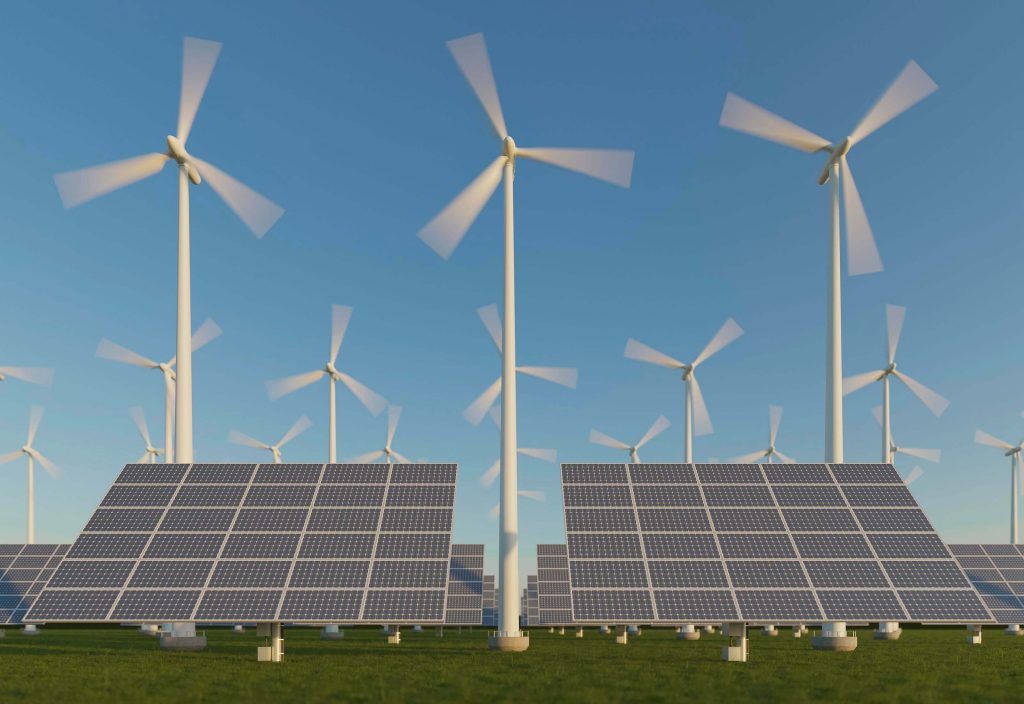
This includes:
- Installing solar panels to generate clean, renewable electricity
- Designing production layouts that maximize natural sunlight and reduce artificial lighting
- Using energy-efficient equipment and smart systems to reduce overall consumption
Not only does this lower the environmental footprint, but it also cuts long-term operational costs — making sustainability a win-win.
By promoting cleaner energy use, we help create a more resilient and eco-conscious manufacturing base in Vietnam, aligned with both global standards and the expectations of future-conscious brands.
Supporting Ethical Sourcing in Furniture and Garment Projects
As part of our dedication to sustainable development, we actively encourage our partner factories — particularly those in the furniture and garment industries — to follow clear, responsible sourcing practices.
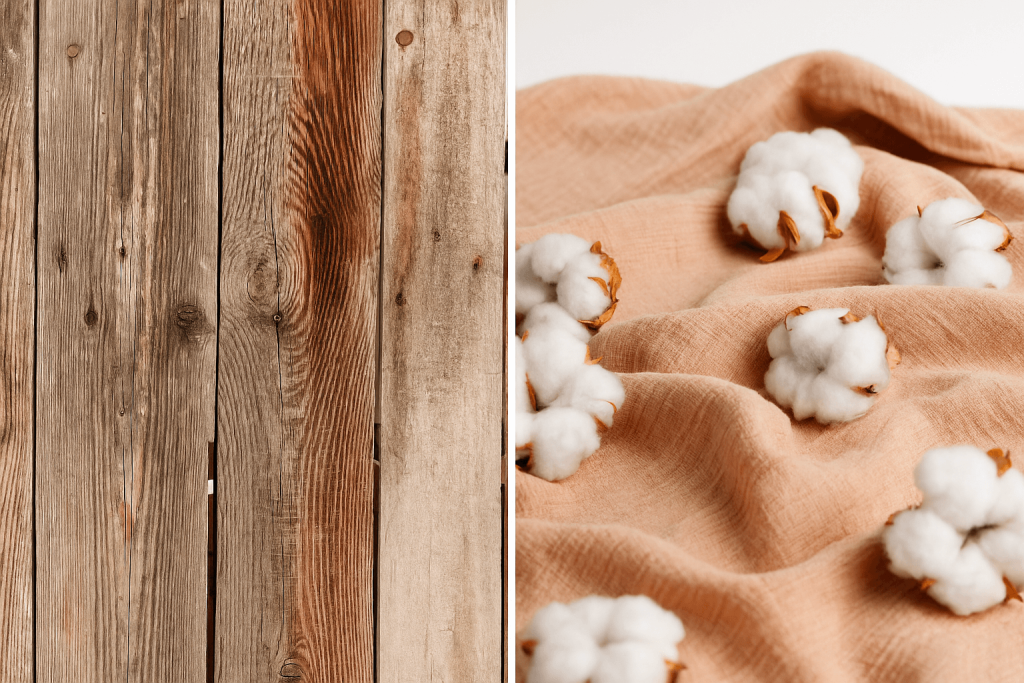
Furniture industry guidelines:
- Prioritize the use of reclaimed wood whenever possible
- If using new wood, FSC-certified timber is strongly encouraged to support forest conservation
- We strictly prohibit the use of wood sourced from South Africa, Africa, or any regions associated with illegal or uncontrolled logging
Garment industry guidelines:
- Prioritize organic cotton, recycled cotton, or other sustainable fibers such as hemp or TENCEL™
- Reduce the use of virgin synthetic fabrics unless recycled or certified
We go beyond suggestions — we provide hands-on support. Our team helps both factories and clients identify material alternatives, locate verified suppliers, and adapt production processes to make sustainability both practical and profitable.
By setting clear sourcing standards and offering implementation support, we help move industries forward — one sustainable decision at a time.
Sustainable Packaging Solutions – From Bioplastics to Palm Leaf Plates
As part of our broader mission to support sustainable development, we are committed to helping our partners reduce single-use plastic in the packaging sector. We offer eco-friendly alternatives that are both functional and aligned with circular economy goals.

Our packaging materials include:
- Bioplastics (PLA): Made from renewable resources such as corn starch, potatoes, or sugarcane. These materials are industrially compostable and biodegradable, making them an ideal replacement for petroleum-based plastics in food and product packaging.
- Palm leaf plates: A natural, chemical-free alternative to plastic or foam plates, palm leaf containers are sturdy, heat-resistant, and fully compostable. They are commonly used in food service packaging and event catering.
By integrating these solutions into our supply chain, we not only help reduce plastic waste but also support a more sustainable future for both brands and consumers.
Final Thoughts: Why Vietnam Matters for Sustainable Development
Vietnam is proving that sustainable development is not just an ideal — it’s a growing reality. Through responsible sourcing, innovative material alternatives, and a strong focus on energy efficiency, local industries are embracing real, measurable change.
Vietnam uses reclaimed wood, lotus silk, pineapple fiber, and bio-based packaging to reduce waste effectively. These material innovations help minimize environmental impact and support circular production models.
Factories also promote solar energy and avoid illegal timber to ensure responsible operations. The shift toward compostable materials shows Vietnam’s growing focus on transparency and accountability.
For global brands, Vietnam offers more than cost efficiency — it brings innovation and sustainable partnership. Sourcing from responsible Vietnamese factories helps brands meet environmental and ethical expectations. Choosing low-impact materials isn’t just smart — it contributes to building a better, greener planet.
Let’s build a greener future — one conscious choice at a time.
If you would like to know more, or if you require further support, then please feel free to find us HERE