In supply chain management, the terms purchasing and sourcing are often used interchangeably, but they play distinct and complementary roles. Understanding these differences is essential for businesses to build a resilient and efficient supply chain.
What is Sourcing?
Sourcing is the strategic phase of supply chain management. It involves identifying, evaluating, and selecting suppliers who align with your company’s goals for cost, quality, and values. Sourcing is about setting the foundation for a successful supply chain, ensuring suppliers can meet both current and future demands.
Key aspects of sourcing include:
- Vendor discovery: Researching and finding potential suppliers.
- Quotation: Requesting and comparing supplier quotes.
- Pricing deals: Negotiating competitive pricing structures.
- Vendor assessment: Evaluating suppliers’ capabilities and reliability.
- Sample development: Collaborating with suppliers to create prototypes or samples.
- Quality discussion: Ensuring suppliers meet your quality standards.
Sourcing is particularly crucial when working outside established markets like China, where pre-existing supply chains make purchasing easier. In emerging markets, sourcing may involve additional steps like vetting suppliers for compliance and investing in relationship building.
What is Purchasing?
Purchasing is the transactional phase that follows sourcing. It’s the process of acquiring goods or services to fulfill the organization’s needs. This includes tasks like placing orders, managing invoices, and processing payments. Purchasing focuses on securing materials at the right price, in the correct quantity, and on time.
Key aspects of purchasing include:
- Contract negotiation: Finalizing agreements with suppliers.
- Purchase document approval: Securing internal approval for procurement.
- Order processing: Placing and tracking purchase orders.
- Payment discussion: Ensuring timely and accurate payment to suppliers.
While sourcing builds the foundation, purchasing executes the strategy by ensuring timely delivery of the agreed-upon goods or services.
Why Does the Difference Matter?
- Sourcing builds relationships. It ensures your supply chain is flexible, cost-effective, and aligned with your business goals.
- Purchasing executes transactions. It focuses on the efficient flow of goods or services, ensuring the strategy laid out in sourcing is realized.
Challenges Outside of China
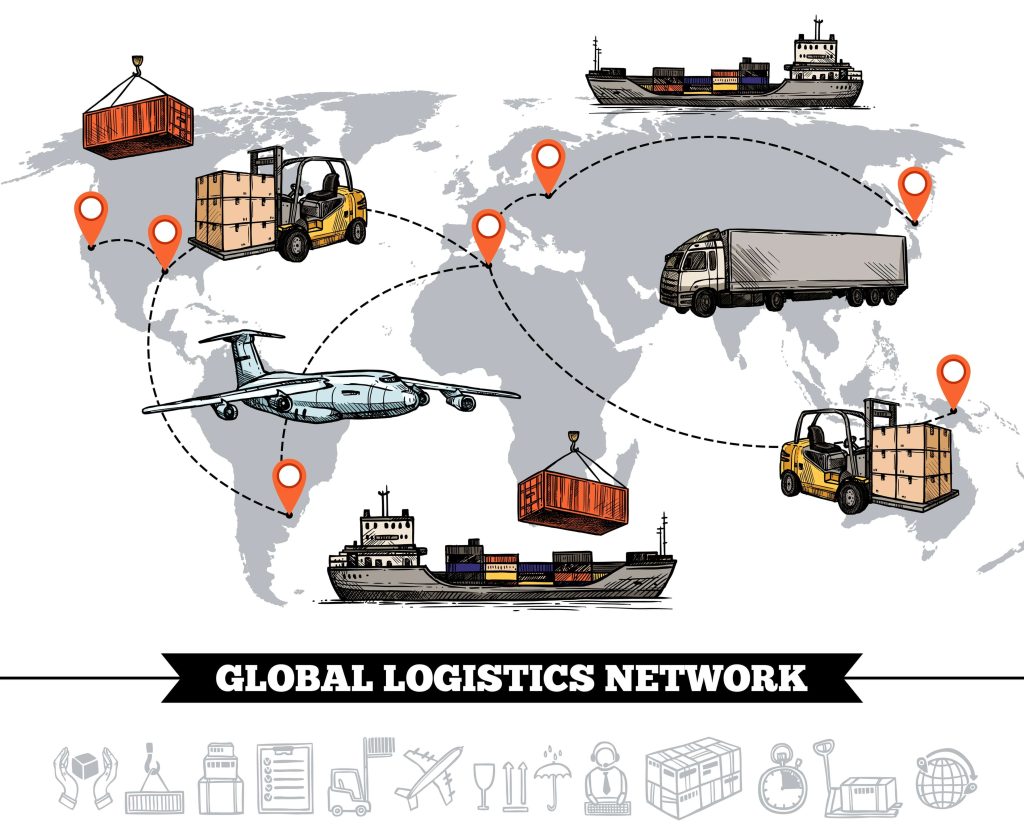
If your business relies on white-label products, such as those readily available in China, purchasing is relatively straightforward. However, venturing into private-label products or sourcing outside well-established markets often requires a robust sourcing strategy to overcome challenges like limited supplier options and stricter compliance requirements.
By integrating effective sourcing and purchasing practices, companies can create a more agile and competitive supply chain. A strong focus on these distinct functions enables businesses to adapt to market changes, reduce risks, and optimize costs, ultimately driving short-term and long-term success.
Conclusion
In summary, sourcing is the strategy, while purchasing is the execution. Both are critical to supply chain management and must work in tandem to achieve operational excellence. By understanding their roles and applying them effectively, businesses can unlock greater value and maintain a competitive edge in today’s dynamic global market.
To know more or further support, please find us HERE
Thank you.