Vietnam CO – Country of Origin: What Buyers/Manufacturers Must Know
Vietnam–U.S. Trade Shift: Tighter CO Rules & Supply Chain Implications
Vietnam is currently negotiating tariff-related policies with the U.S., and while official announcements are expected soon, early indications are already emerging. Therefore, preliminary and unofficial updates suggest significant changes ahead. As such, these developments could fundamentally reshape manufacturing strategies. Therefore, businesses should begin assessing potential impacts and preparing to adapt accordingly:
- Stricter CO and Origin Verification
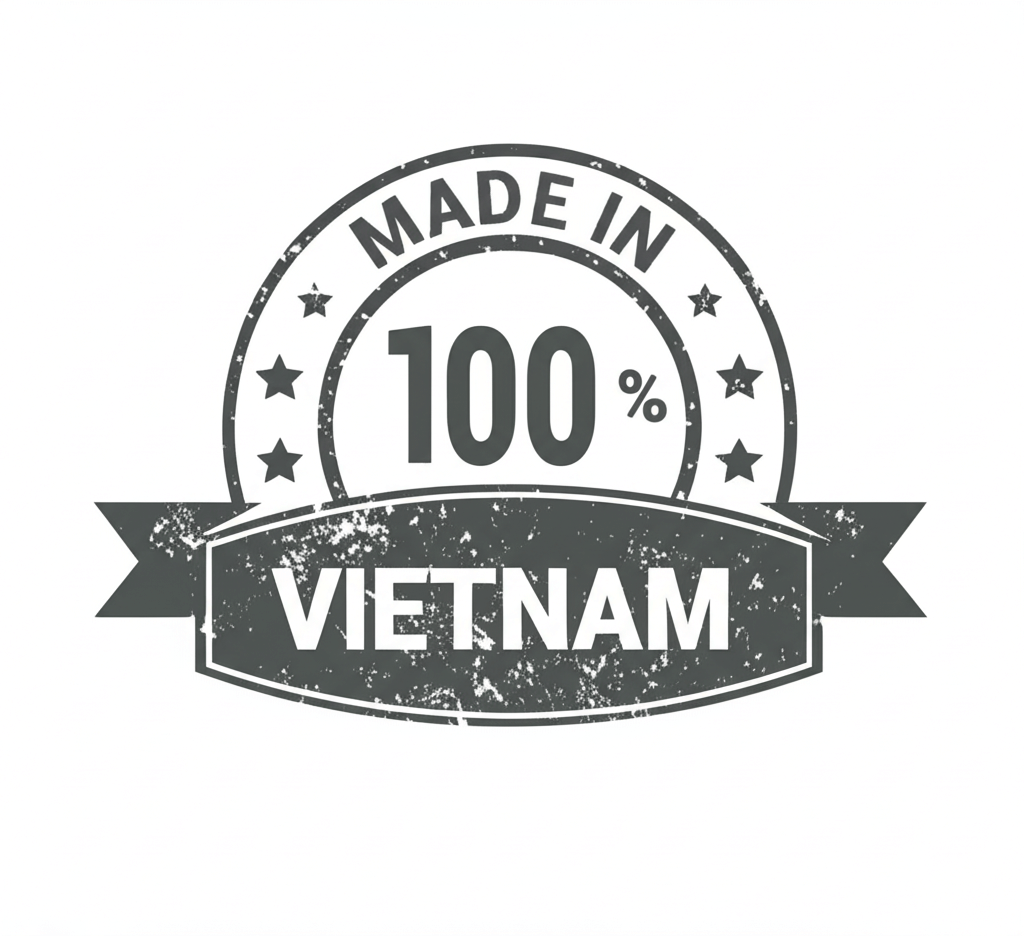
Vietnam is likely to introduce tighter controls on Certificates of Origin (CO) and product origin verification. U.S. import tariffs may be adjusted based on the percentage of locally sourced content in the final product.- Products with 100% local Vietnamese content may benefit from reduced tariffs of 0–10%.
- Products with 50% or less local content might face tariffs of up to 20%.
- Increased Scrutiny on Transshipment
Chinese manufacturers routing goods through Vietnam and labeling them “Made in Vietnam” will be more heavily scrutinized. This response aims to tackle concerns about tariff evasion.
Many U.S. buyers are still in a waiting mode regarding the tariff status. On the Chinese side, suppliers have already begun shifting their supply chains to Vietnam to stay ahead of the localization trend and respond to Vietnam’s stricter enforcement of rules of origin (CO):
- Relocating supply chains to Vietnam
- Establishing secondary companies in Vietnam (these companies purchase materials from China), carry out simple processing, and then supply to major FDI factories in Vietnam for final manufacturing and export to the U.S.
This practice is seen as a workaround to avoid direct imports of Chinese raw materials and to bypass origin verification checks.
What Does This Mean for Manufacturers?
The game is changing.
Certificates of Origin (CO) will no longer be a simple checkbox. Manufacturers who rely heavily on imported materials and only conduct final assembly in Vietnam may not qualify for favorable tariff treatment.
To stay competitive, factories will increasingly need to restructure their supply chains. In particular, transitioning from Chinese-sourced components to locally made inputs will not only become more desirable but, more importantly, also a necessity. Indeed, this shift will be essential rather than merely a strategic option. Moreover, it reflects broader supply chain trends that emphasize resilience and self-reliance. As a result, companies must begin planning for this shift sooner rather than later.
Fortunately, this presents an opportunity.
As more foreign-invested enterprises relocate production to Vietnam, the demand for local raw materials will rise. This shift creates room for domestic suppliers to expand and attract investment.
Actionable Recommendations for Manufacturers
To stay ahead, take proactive steps now:
- Review your CO documentation. Clearly assess the percentage of Vietnamese content in your final products.
- Plan for localization. Identify domestic suppliers or partners for key components.
- Work with trade compliance experts. Align your CO paperwork fully with anticipated regulatory changes.
Final Thoughts
Vietnam CO – country of origin enforcement is evolving. Manufacturers must adapt quickly or risk losing their competitive edge. By boosting local content and working with experts, businesses can continue to benefit from Vietnam’s strategic trade advantages.
Don’t wait for the rules to take full effect. Act now, or your competitors will leave you behind.
If you would like to know more, or if you require further support, then please feel free to find us HERE
Moreover, we are always ready to assist you. Additionally, don’t hesitate to reach out anytime.