Introduction
For many years, buyers relied on cheap manufacturing countries to reduce production costs.
Low labor costs, cheap energy, and government support helped many factories stay competitive.
However, the global situation is changing.
Today, wars, energy shocks, and shipping disruptions are reshaping supply chains. As a result, the old model of relying on one low-cost country is becoming risky.
Therefore, buyers now need a stronger sourcing strategy.
Why Cheap Manufacturing Countries Are Facing Rising Costs
For many years, several regions built their industries on low manufacturing costs.
In many cases, this advantage came from cheap energy or strong government support.
However, global instability is changing this situation.
First, energy prices are becoming more volatile. When oil and gas prices rise, manufacturing costs increase as well. In some cases, countries benefited from access to low-cost energy or raw materials from regions such as Iran or Venezuela. However, geopolitical pressure and sanctions can restrict these supplies.
As a result, factories that depend on these energy sources may face higher production costs. Consequently, some cheap manufacturing countries may lose their traditional cost advantage.
Second, government support also plays an important role. In many countries, manufacturing industries rely on subsidies, tax incentives, or state support to stay competitive.
However, during periods of economic or political instability, governments may reduce or remove this support. When this happens, factories must absorb higher operating costs.
Therefore, manufacturing prices can increase quickly.
As a result, some cheap manufacturing countries may no longer remain the most cost-competitive options for global buyers.
Supply Chain Strategy Is Becoming More Important
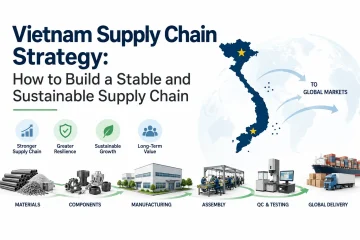
Modern sourcing requires better planning and a clear supply chain strategy. Most importantly, buyers should avoid relying on only one country or region.
Today, buyers analyze more than just factory pricing. Instead, they look at the full cost structure behind production.
For example, companies review raw materials, labor, energy, and logistics costs. In addition, buyers now request detailed cost breakdowns from suppliers.
This approach helps them understand the real manufacturing cost structure. As a result, companies can select suppliers with more stable and sustainable pricing.
However, buyers should not focus only on the lowest price. Sometimes extremely low prices look attractive in the short term. Yet when disruptions occur, those options may quickly become unreliable.
Therefore, a reasonable and sustainable price is often a better strategy than chasing the cheapest offer.
In addition, companies should continuously monitor global market conditions. When buyers stay informed, they can react quickly and adjust their sourcing strategies when disruptions appear.
Conclusion
The era of relying only on cheap manufacturing locations is changing.
Global instability is reshaping manufacturing costs and supply chain risks.
As a result, buyers must rethink how they build their sourcing strategies.
Instead of chasing the lowest price, companies should focus on supply chain resilience.
Therefore, diversifying suppliers across multiple regions is becoming essential.
In the coming years, companies that build flexible supply chains will manage global disruptions more effectively.